Romantik Blog
Bruges Hidden Gems: 10 Insider Tips to Awaken Your Senses
Bruges is famous for its cobbled streets, romantic canals, and chocolate shops – but anyone who only ticks off the postcard sights misses the city’s true magic. To really immerse yourself, you need to wander like a curious explorer, keep your eyes open, take a few wrong turns, and sense the small secrets along the way. Here are the most beautiful insider spots that reveal Bruges from a completely different perspective.
1. At Minnewater Park: Silence & Water Lilies
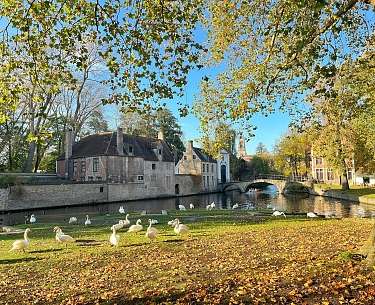
While many visitors stick to the main paths by the bridge, the famous Lake of Love also hides quiet, small, enchanted coves along its banks. The air smells of damp leaves, dragonflies dance over tiny ponds, and ducks waddle curiously between old willow trees. Sitting here, all you hear is the gentle lapping of the water – and suddenly, the city feels like your very own little universe.
2. “Bar des Amis”: Cocktails with a Twist
Hidden in an alley that looks like a film set, this tiny bar awaits adventurous visitors. The drinks are little adventures themselves: gin with lavender, whiskey with dark chocolate, or a cocktail that smells like summer rain. Lean against the dark wooden walls, listen to the soft jazz, and feel Bruges’ nightlife – a secret world known only to insiders.
3. Begijnhof: The Hidden Garden
The Begijnhof itself attracts tourists, but few find the small gardens behind the houses. In spring, daffodils and tulips bloom wildly, and the birdsong is interrupted only by the soft crackling of old bricks. Time here seems to move in slow motion – perfect for moments you’ll never forget.
4. Snuff Museum: Quirky and Fascinating
If you think museums are always serious, this one will surprise you. The tiny Snuff Museum tells the story of snuff with humor and curiosity: antique containers, odd portraits, and anecdotes you won’t hear anywhere else. It’s bizarre, funny – and a little like a secret you’re proud to carry with you.
5. Canals Off the Postcard Path
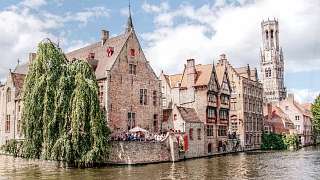
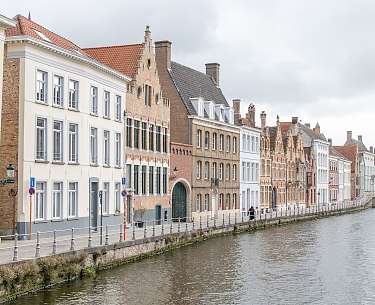
Forget the tourist boat tours. Instead, walk behind the houses of Kruispoort and Ezelpoort. Old wooden doors, faded murals, small jetties leading into the water. Every step echoes softly on the cobblestones, the canal mirrors the sky like liquid glass – a walk that takes you straight into the heart of the city.
6. Library of the Jerusalem Convent: The Scent of History
The library rarely opens its doors, but polite visitors are rewarded. Between tall shelves and ancient manuscripts, the air smells of old paper and wax. Sunlight streams through small windows, illuminating mysterious writings. It feels as if you are touching a piece of time that has remained undisturbed for centuries.
7. Antiekhuis De Coninck: Curiosities to Marvel At
Step through the door and enter a world of vintage treasures: antique jewelry, peculiar sculptures, mysterious artifacts from centuries past. Every object tells a story, and the owner always has a touch of humor or an unexpected detail to share – like a treasure hunt in the city itself.
8. Sint-Anna: Street Art Between Old Facades
In this neighborhood, small galleries, studios, and colorful murals form a quiet, creative labyrinth. Walking here feels like a ritual of discovery: suddenly a wall bursts with color, behind an inconspicuous door hides a tiny studio. Look closely, and you sense that Bruges breathes not only history but also surprises.
9. Hidden Chocolatier Atelier “Gourmet Noir”
Not the typical chocolate shops on the market, but a small atelier in a quiet side street: here, chocolate creations are freshly made before visitors’ eyes – tiny pralines scented with rose petals, sea salt, or even coffee. You can watch the chocolate flow, smell it melting, and occasionally taste a tiny sample. A sensory experience few get to enjoy.
10. The Mysterious Langestraat Tunnel
Behind inconspicuous doors on Langestraat lies an underground passage once used for deliveries between merchant houses. Today it is nearly empty, ventured into only by those in the know. The cool, damp air, the echo of your own steps, the flickering light – walking through the tunnel, you feel Bruges’ history in a surprisingly tangible way.
Romantik® B&B Quay17 - A hidden gem by the water
Situated directly on the tranquil canal, Romantik® B&B Quay17 combines historic walls with modern design. Individually styled rooms full of character, a fresh local breakfast, and relaxing moments on the terrace make arriving effortless – while the most beautiful corners of Bruges are just steps away. Guests also enjoy 20% off a canal cruise and at The Chocolate House – no wonder Quay17 was named the most welcoming B&B in 2025.
Discover hotels nearby


FAQ Questions & Answers
Bruges is located in the northwest of Belgium, in the Flanders region. The city is about 90 kilometers from Brussels and is easily accessible by car, train, or bus. Bruges is renowned for its medieval old town, scenic canals, historic buildings, and rich cultural offerings.
The city is easily accessible by train, with regular direct services from Brussels and Antwerp. Bruges can also be reached by car, with parking available on the outskirts since the city center is largely car-free. Travelers coming from the Netherlands or northern France can conveniently reach Bruges via the A10 or E40 highways.
Spring and autumn are ideal for a trip to Bruges: fewer tourists, mild weather, and beautiful light reflections on the canals. Summer is lively but crowded, while winter, with its mist and Christmas markets, has its own unique, romantic charm.
The most famous attractions include the Market Square with the Belfry, the Groeninge Museum, the Basilica of the Holy Blood, and the canals, which have earned the city the nickname “Venice of the North.” Minnewater Park and the Begijnhof are also well worth a visit.
For the main sights, 2–3 days are sufficient. If you want to explore hidden corners and experience the city at a relaxed pace, 4–5 days is recommended.
Bruges is famous for chocolate, waffles, fries, and beer. Particularly recommended are local chocolatiers, small cafés away from the main squares, and traditional Flemish dishes such as “Stoofvlees” (beef stew) or freshly made Belgian fries.
Post your comment
Comments
No one has commented on this page yet.
RSS feed for comments on this page RSS feed for all comments
More interesting articles
Upper Italian Lakes - Time Travel into the Originality of Northern Italy
Romantik Country Hotels in Switzerland